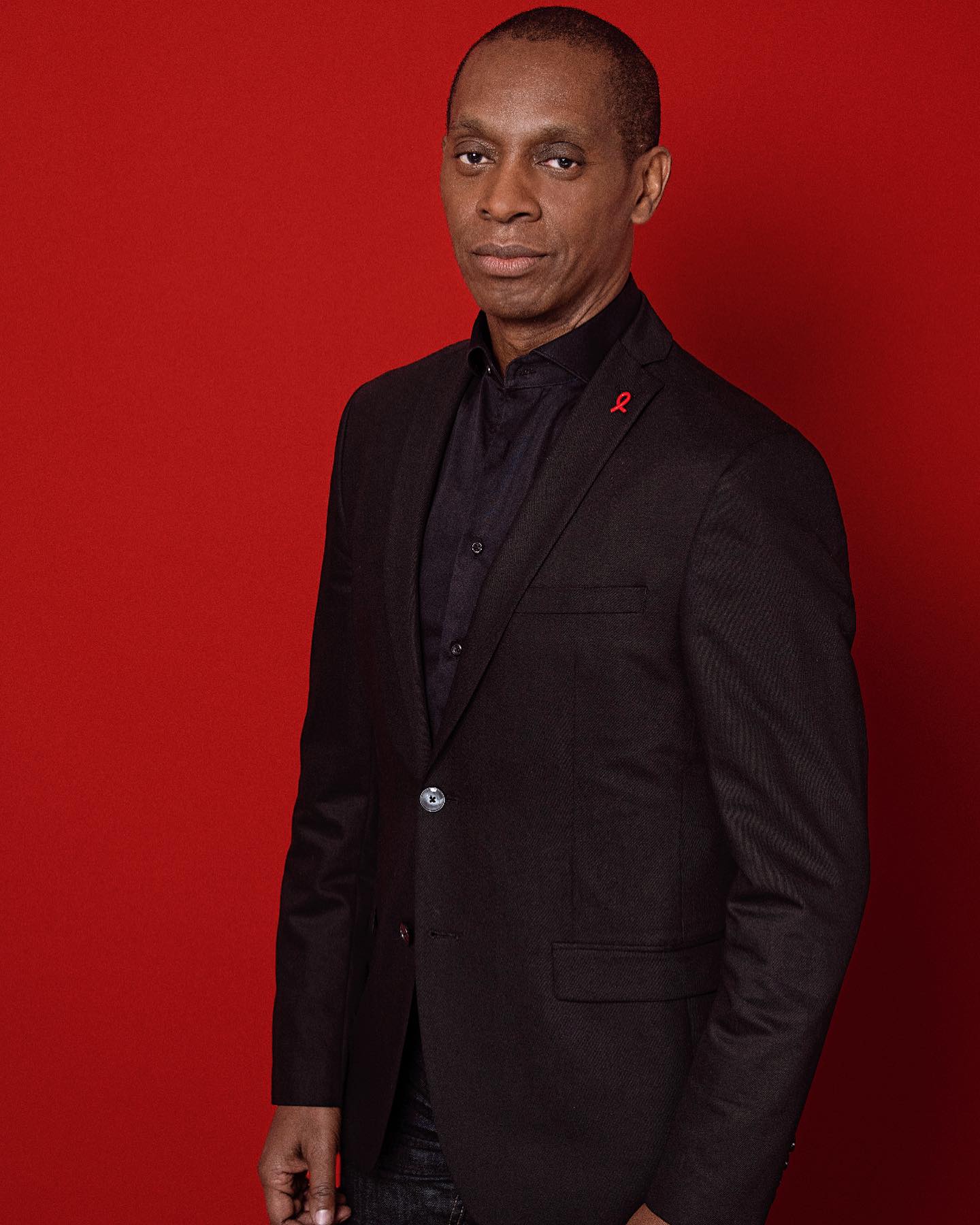
The appointment of Claudy Siar as Special Adviser to the President of the Republic of Benin in charge of culture, media, and national visibility is part of an explicit political strategy aimed at repositioning Benin on the international stage. By integrating him into the state apparatus, the authorities clearly signal their intention to strengthen cultural diplomacy and to use the country’s image as a lever of influence. This decision goes beyond a purely administrative framework. It reflects a political orientation in which communication, culture, and external visibility are becoming full-fledged instruments of governance. In an African context marked by competing narratives and struggles over representation, the choice of an experienced media personality with strong international recognition appears as an act of projection and state branding. However, this appointment also raises legitimate questions about how merit, expertise, national anchoring, and diaspora engagement are balanced within positions tied to symbolic sovereignty.
The debate is not limited to Claudy Siar as an individual, but extends to the broader governance philosophy behind such decisions: should priority be given to internationally recognized expertise, or to a deeper grounding in national institutional and sociocultural realities? His supporters highlight a decades-long career in Francophone media, his consistent commitment to promoting African and Afro-descendant cultures, and his role in building bridges between Africa and its diaspora. In this interpretation, his appointment is seen as a logical continuation of his trajectory, that of a cultural advocate now turning his symbolic capital into a tool of public influence in the service of a state. Other observers, however, view it as part of broader tensions shaping contemporary African states, caught between international openness and domestic demands for legitimacy. The question at stake concerns not only the sovereignty of decision-making, but also how such choices are perceived by national public opinion, which is often sensitive to issues of representation and recognition of local expertise. From this perspective, the appointment becomes a political indicator: it reflects a state seeking to redefine its narrative through media figures capable of projecting its story beyond its borders, while also highlighting an ongoing debate about the role of the diaspora, the definition of expertise, and the boundaries of national interest in an increasingly globalized world.